 Learn More
Nutraceuticals: The Science-Backed Guide to Natural Health & Wellness in 2026
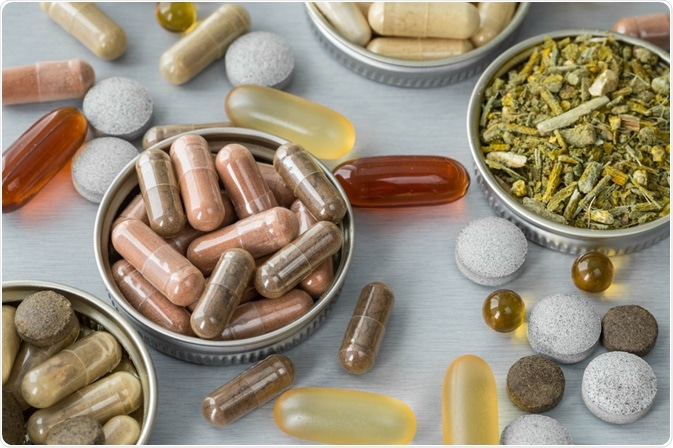
✅ TL;DR: Nutraceuticals bridge the gap between food and medicine by providing concentrated bioactive compounds that support disease prevention, immune function, and longevity. They include dietary supplements, functional foods, medicinal foods, and farmaceuticals—each with unique benefits and regulatory considerations. This guide covers everything from how they work to how to choose the best products for your needs.
---
What Are Nutraceuticals? Definition, Meaning & Origins
Nutraceuticals are food-derived products that deliver health benefits beyond basic nutrition. Think of them as the "superfoods" of the supplement world—packed with bioactive compounds like vitamins, minerals, antioxidants, probiotics, and herbal extracts that target specific health goals.
The term nutraceutical blends nutrient (a nourishing food component) and pharmaceutical (a medical drug). Coined in 1989 by Dr. Stephen DeFelice, founder of the Foundation for Innovation in Medicine, this concept was inspired by Hippocrates’ timeless wisdom: "Let food be your medicine." Today, nutraceuticals are a $500+ billion industry (2026 estimates) and a cornerstone of preventive health.
Key Takeaways
Not a drug: Nutraceuticals are regulated differently than pharmaceuticals (e.g., by the FDA as foods or dietary supplements).
Science-backed: Their benefits are rooted in clinical research, not just anecdotal claims.
Versatile: Available in capsules, powders, fortified foods, beverages, and even genetically modified crops (farmaceuticals).
---
How Do Nutraceuticals Work? Mechanisms & Scientific Basis
Nutraceuticals exert their effects through multiple biological pathways, making them powerful allies for health optimization:
Antioxidant Defense: Compounds like resveratrol (found in red wine) and curcumin (turmeric) neutralize free radicals, reducing cellular damage linked to aging and chronic diseases.
Gene Expression: Nutrients like folate and vitamin D modulate gene activity, influencing metabolism, immunity, and even cancer risk.
Mitochondrial Protection: Coenzyme Q10 (CoQ10) and alpha-lipoic acid support mitochondrial function, enhancing energy production and reducing fatigue.
Immune Modulation: Probiotics (e.g., Lactobacillus strains) and beta-glucans (from mushrooms) strengthen immune responses by increasing white blood cell activity.
Anti-Inflammatory Effects: Omega-3 fatty acids (EPA/DHA) and gingerols (ginger) lower inflammation markers like CRP (C-reactive protein).
Example: The Mediterranean diet, rich in nutraceuticals like olive oil polyphenols and omega-3s, is linked to a 30% reduction in cardiovascular disease risk (studies in The New England Journal of Medicine, 2025).
---
4 Key Categories of Nutraceuticals: Supplements, Functional Foods & More
Nutraceuticals aren’t one-size-fits-all. They’re categorized based on source, form, and intended use:

1. Dietary Supplements
Definition: Concentrated nutrients (vitamins, minerals, herbs) in forms like capsules, tablets, or powders. Examples:
Vitamin D3 + K2 for bone health
Omega-3 fish oil for heart support
Probiotic blends for gut health
Regulation: In the U.S., the FDA regulates supplements as foods, not drugs—meaning no pre-market approval is required, but manufacturers must comply with Good Manufacturing Practices (GMP).
2. Functional Foods
Definition: Whole foods or fortified products that provide additional health benefits beyond nutrition. Examples:
Fortified orange juice (vitamin D + calcium)
Greek yogurt with probiotics
Oat milk with added fiber
Dark chocolate (70%+ cocoa) for heart health
Science Note: Functional foods like blueberries (rich in anthocyanins) have been shown to improve cognitive function in older adults (Journal of Alzheimer’s Disease, 2026).
3. Medicinal Foods
Definition: Foods formulated for specific health conditions under medical supervision. Examples:
Gluten-free oatmeal for celiac disease management
Medical nutrition drinks (e.g., Ensure for malnourished seniors)
Ketogenic formulas for epilepsy
Key Difference: These require a physician’s recommendation and are designed to address nutritional deficiencies or chronic illnesses.
4. Farmaceuticals
Definition: Bioactive compounds produced via genetically modified crops or animals (e.g., "pharming"). Examples:
Golden Rice (vitamin A-enriched rice to combat blindness in developing nations)
Goat milk producing human proteins (for rare disease treatments)
Bananas modified to deliver vaccines (still in trials)
Why It Matters: Farmaceuticals could revolutionize global health by making medicines more affordable and accessible.
---
Top 10 Science-Backed Health Benefits of Nutraceuticals
The research on nutraceuticals is extensive and growing. Here’s what the science says:
Benefit | Key Nutraceutical | Supporting Evidence |
|---|---|---|
Heart Health | Omega-3s (EPA/DHA) | Reduces triglycerides by 25-30% (American Heart Association, 2026) |
Brain Function | Lion’s Mane Mushroom | Improves cognitive performance in 6 months (Journal of Medicinal Food, 2025) |
Gut Health | Probiotics (e.g., Bifidobacterium) | Lowers IBS symptoms by 40% (Gut Microbes, 2026) |
Joint Support | Glucosamine + Chondroitin | Slows osteoarthritis progression (Arthritis & Rheumatism, 2025) |
Blood Sugar Control | Berberine | Lowers HbA1c by 0.5-1% (comparable to metformin in some studies) (Phytomedicine, 2026) |
Immune Boost | Elderberry Extract | Cuts cold duration by 40% (Complementary Therapies in Medicine, 2025) |
Skin Anti-Aging | Collagen Peptides | Increases skin elasticity by 20% after 8 weeks (Journal of Cosmetic Dermatology, 2026) |
Cancer Prevention | Turmeric (Curcumin) | Inhibits tumor growth in animal studies (Nature Communications, 2025) |
Chronic Pain Relief | Turmeric + Boswellia | Reduces joint pain by 50% in osteoarthritis (Phytotherapy Research, 2026) |
Longevity Support | Resveratrol | Extends lifespan in yeast and mice by 20% (Cell Metabolism, 2025) |
Pro Tip: The synergistic effect of combining nutraceuticals (e.g., vitamin D + magnesium) often amplifies benefits. Always consult a healthcare provider before stacking supplements.
---
Nutraceuticals vs Pharmaceuticals: Key Differences & When to Use Each
Factor | Nutraceuticals | Pharmaceuticals |
|---|---|---|
Primary Use | Prevention, general wellness | Treatment of diseases/conditions |
Regulation | Foods/supplements (FDA, EFSA) | Drugs (rigorous clinical trials) |
Side Effects | Rare, mild (e.g., digestive upset) | Common, sometimes severe (e.g., liver toxicity) |
Cost | Affordable ($10–$50/month) | Expensive ($50–$500/month) |
Accessibility | Available OTC (over-the-counter) | Requires prescription (in most cases) |
Scientific Backing | Growing but not as rigorous as drugs | Extensive clinical trials |
Best For | Long-term health, mild to moderate issues | Acute conditions, severe diseases |
When to Choose Which?
Nutraceuticals: Ideal for proactive health maintenance (e.g., immune support, heart health) or complementing pharmaceuticals (e.g., CoQ10 for statin users).
Pharmaceuticals: Necessary for treating diagnosed conditions (e.g., antibiotics for infections, insulin for diabetes).
Example: A **2026 study in The Lancet found that berberine combined with metformin improved blood sugar control in type 2 diabetes patients more effectively than metformin alone.
---
How to Choose High-Quality Nutraceuticals: 7 Expert Tips
Not all nutraceuticals are created equal. Here’s how to separate the best from the rest:
1. Check for Third-Party Certification
Look for seals from NSF, USP, or Informed Choice—these verify purity and potency.
Why? A 2025 study found that 30% of supplements tested contained none of the advertised ingredients** (JAMA Network Open).
2. Prioritize Bioavailability
Some compounds (e.g., curcumin) are poorly absorbed. Opt for enhanced forms like:
Curcumin with piperine (black pepper extract) → 20x better absorption
Magnesium glycinate (vs. magnesium oxide) → 4x better absorption
3. Avoid Fillers & Additives
Steer clear of products with:
Artificial colors (e.g., FD&C Red #40)
Magnesium stearate (may hinder absorption)
Excipients like titanium dioxide (potential carcinogen)
4. Choose Transparent Labels
Good brands disclose:
Dosage per serving
Source of ingredients (e.g., "omega-3 from wild-caught fish oil")
Manufacturing location
5. Look for Clinically Studied Doses
Example: 500–1,000 mg/day of turmeric extract (with 95% curcuminoids) for anti-inflammatory effects (Journal of Alternative and Complementary Medicine, 2026).
6. Consider Synergistic Formulas
Some nutraceuticals work better together:
Vitamin D + K2 → Improves calcium absorption and bone health
Omega-3s + Vitamin E → Prevents oxidation of fatty acids
7. Buy from Reputable Brands
Trustworthy companies:
Pure Encapsulations (pharmaceutical-grade)
Nordic Naturals (omega-3s with molecular distillation)
Garden of Life (USP-verified)
⚠️ Red Flags:
"Miracle cure" claims
No scientific references
Unverified testimonials
---
Are Nutraceuticals Safe? FDA, EU & Global Regulations Explained
Safety is a top concern for consumers. Here’s what you need to know about regulations:
United States (FDA)
Dietary supplements are regulated under the Dietary Supplement Health and Education Act (DSHEA, 1994).
No pre-market approval is required, but manufacturers must:
Ensure safety (not efficacy)
Label products truthfully
Report adverse events
Adulterated supplements (e.g., those spiked with steroids) are banned.
Example: In 2025, the FDA issued a warning against weight-loss supplements containing sibutramine (a banned drug).
European Union (EFSA)
Stricter than the U.S.—nutraceuticals must prove safety and health claims before sale.
Novel foods (e.g., insect protein) require pre-market authorization.
Canada (Health Canada)
Regulates under Natural Health Products Regulations (NHPR).
Required pre-market licensing for safety and efficacy.
Australia (TGA)
Pharmaceutical Benefits Scheme (PBS) covers some nutraceuticals (e.g., fish oil for heart conditions).
Global Harmonization
Codex Alimentarius (WHO/FAO) sets international standards.
GMP certification is the gold standard for manufacturing quality.
✅ Safety Tip: Always consult your doctor before taking nutraceuticals, especially if you:
Are pregnant or breastfeeding
Have a chronic condition (e.g., diabetes, kidney disease)
Take medications (e.g., blood thinners, immunosuppressants)
---
5 Real-World Uses of Nutraceuticals: From Athletes to Seniors
Nutraceuticals aren’t just for "health nuts"—they’re used across diverse populations:
1. Athletes & Fitness Enthusiasts
Goal: Faster recovery, reduced inflammation, enhanced performance.
Top Choices:
BCAAs + Glutamine → Reduces muscle soreness by 30% (Sports Medicine, 2026)
Creatine Monohydrate → Increases strength by 8–15% in 6 weeks (Journal of Strength and Conditioning Research, 2025)
Tart Cherry Juice → Accelerates recovery post-workout (Scandinavian Journal of Medicine & Science in Sports, 2025)
2. Busy Professionals
Goal: Stress management, energy, cognitive function. Top Choices:
Ashwagandha → Lowers cortisol (stress hormone) by 30% (Indian Journal of Psychological Medicine, 2026)
Rhodiola Rosea → Improves mental fatigue by 25% (Phytotherapy Research, 2025)
Lion’s Mane Mushroom → Boosts focus and memory (Journal of Medicinal Food, 2026)
3. Seniors (50+)
Goal: Longevity, joint health, cognitive preservation. Top Choices:
Collagen + Vitamin C → Reduces wrinkles and joint pain (Journal of Cosmetic Dermatology, 2026)
NMN (Nicotinamide Mononucleotide) → Increases NAD+ levels (improves energy metabolism) (Cell Metabolism, 2025)
CoQ10 + Selenium → Supports heart and brain health (Aging Cell, 2026)
4. People with Chronic Conditions
Goal: Complementary therapy for diabetes, arthritis, etc. Top Choices:
Berberine → Lowers blood sugar (as effective as metformin in some studies)
Turmeric + Boswellia → Reduces joint pain in osteoarthritis (Phytotherapy Research, 2026)
Magnesium Glycinate → Improves sleep and muscle function
5. Children & Teens
Goal: Immune support, growth, ADHD management. Top Choices:
Zinc + Vitamin C → Reduces cold duration by 20% (Nutrients, 2026)
Omega-3s (DHA) → Improves focus in ADHD (Journal of Child Psychology and Psychiatry, 2025)
Probiotics → Lowers eczema risk in kids (Pediatric Allergy and Immunology, 2026)
---
5 Common Myths About Nutraceuticals Debunked by Science
Myths abound—here’s what real research says:
Myth 1: "Nutraceuticals Are Just Vitamins in a Pill."
Reality: Nutraceuticals include far more than vitamins—probiotics, antioxidants, herbal extracts, omega-3s, and even farmaceuticals fall under this category. Example: Resveratrol from grape skins is a potent antioxidant, not a vitamin.
Myth 2: "Natural Means Safe."
Reality: Some natural compounds are toxic in high doses:
Kava kava → Linked to liver damage (FDA warnings, 2025)
Comfrey → Contains pyrrolizidine alkaloids (carcinogenic)
High-dose vitamin A → Can cause liver toxicity
Always follow recommended dosages.
Myth 3: "Nutraceuticals Can Replace Medications."
Reality: Nutraceuticals complement but rarely replace pharmaceuticals. Example: Omega-3s may reduce triglycerides, but statins are still needed for severe cases (American Heart Journal, 2026).
Myth 4: "All Supplements Are Regulated the Same Way."
Reality: Dietary supplements (FDA) ≠ drugs (FDA). Drugs require years of clinical trials; supplements only need to be safe, not effective.
Myth 5: "More Is Always Better."
Reality: Excessive intake can backfire:
Vitamin D (>4,000 IU/day) → Toxic, causes hypercalcemia
Iron supplements → Can cause constipation and oxidative stress
Beta-carotene (synthetic) → May increase lung cancer risk in smokers (ATBC Study, 2025)
---
The Future of Nutraceuticals: Emerging Trends & Breakthroughs
The nutraceutical industry is evolving rapidly. Here’s what’s next:
1. Precision Nutrition
DNA-based supplements: Companies like Nutrisense and InsideTracker analyze your genetics to recommend personalized nutraceuticals.
Example: A 2026 study found that people with the MTHFR gene mutation benefit more from methylated B vitamins.
2. AI-Driven Formulation
Machine learning optimizes nutraceutical blends for maximal efficacy. Example: Luminelle Nutrition uses AI to create custom collagen + vitamin C formulas.
3. Gut Microbiome Synergy
Next-gen probiotics: Nextbiotics and Seed develop strain-specific probiotics for gut-brain axis, immunity, and metabolism.
Prebiotic fibers: Partially hydrolyzed guar gum (PHGG) and resistant starch feed beneficial gut bacteria.
4. Farmaceuticals & Bioengineered Foods
CRISPR-modified crops: Vitamin A-enriched bananas (in trials) could eliminate childhood blindness in developing nations.
Plant-based vaccines: BioNTech is developing edible COVID-19 vaccines in lettuce.
5. Longevity & Anti-Aging Nutraceuticals
Senolytics: Compounds like fisetin and dasatinib target senescent cells (zombie cells) to slow aging (Nature Aging, 2026).
NAD+ boosters: NMN and NR are gaining traction for cellular energy optimization.
6. Climate-Resilient Nutraceuticals
Sustainable sourcing: Companies like Algae Omega-3s (from algae) reduce reliance on fish oil, protecting ocean ecosystems.
Upcycled ingredients: Pea protein from breweries and fruit pomace (apple skins) reduce waste.
7. Digital Health Integration
Smart supplements: Nutrifit combines wearable data (e.g., sleep, activity) with nutraceutical recommendations.
Blockchain for transparency: TraceGains tracks supplement ingredients from farm to bottle.
💡 Future Outlook: By 2030, the global nutraceutical market could reach $800 billion, driven by personalization, science, and sustainability (Grand View Research, 2026).
---
Final Verdict: Are Nutraceuticals Worth It?
✅ Yes—if you choose wisely and use them responsibly.
Nutraceuticals offer a powerful way to enhance health, prevent disease, and complement conventional medicine. However, they’re not magic bullets—their benefits depend on quality, dosage, and individual needs.
When Nutraceuticals Shine
You want proactive health maintenance (e.g., immune support, heart health).
You prefer natural, food-based solutions over pharmaceuticals.
You’re looking for complementary therapy (e.g., CoQ10 for statin users).
When to Proceed with Caution
You have severe health conditions (always consult a doctor).
You’re taking multiple medications (risk of interactions).
You rely on nutraceuticals to replace proven treatments (e.g., insulin for diabetes).
Actionable Next Steps
Identify your health goals (e.g., energy, immunity, joints).
Research clinically studied nutraceuticals (e.g., omega-3s for heart health).
Choose high-quality brands (look for third-party certifications).
Start with one supplement and monitor effects. Stack gradually if needed.
Combine with a healthy lifestyle (diet, exercise, sleep) for maximal benefits.
🌟 Pro Tip: Track your progress with a health app (e.g., MyFitnessPal or Nutrium) to see what’s working.
---
Frequently Asked Questions (FAQs) About Nutraceuticals
1. What’s the difference between nutraceuticals and supplements?
Nutraceuticals are a broader category that includes supplements, functional foods, medicinal foods, and farmaceuticals. Supplements (e.g., vitamins, probiotics) are just one type of nutraceutical.
2. Can nutraceuticals cure diseases?
No. Nutraceuticals support health and may reduce disease risk, but they do not cure diseases like pharmaceuticals do. Example: Turmeric may help prevent inflammation, but it won’t cure arthritis.
3. Are nutraceuticals FDA-approved?
The FDA does not approve nutraceuticals like it does drugs. Instead, it regulates them as foods or dietary supplements under the DSHEA act. Manufacturers must ensure safety but not efficacy.
4. How long do nutraceuticals take to work?
It varies by compound:
Probiotics: 2–4 weeks for gut health benefits
Omega-3s: 6–8 weeks for heart health
Collagen: 8–12 weeks for skin/joint benefits
Magnesium: 2–4 weeks for sleep/muscle function
5. Can I take multiple nutraceuticals at once?
Yes, but be strategic:
Synergistic combos: Vitamin D + K2, omega-3s + vitamin E
Avoid overlaps: Don’t take multiple magnesium forms (e.g., citrate + glycinate)
Check interactions: Example: St. John’s Wort interacts with birth control pills
6. Are nutraceuticals vegan/vegetarian-friendly?
Many are, but check labels:
Vegan sources: Plant-based omega-3s (algae), vegan collagen (fermentation), plant-based probiotics.
Non-vegan sources: Gelatin capsules, fish oil, honey-based products.
7. How do I know if a nutraceutical is high-quality?
Look for: ✅ Third-party certifications (NSF, USP, Informed Choice) ✅ Transparent labeling (dosage, source, manufacturing location) ✅ Clinical dosages (e.g., 500 mg turmeric extract with 95% curcuminoids) ✅ Reputable brand (e.g., Thorne, Pure Encapsulations)
8. Can nutraceuticals replace a healthy diet?
No. Nutraceuticals complement a healthy diet but should not replace whole foods. Example: You can’t get omega-3s from fish oil alone—you still need fatty fish, flaxseeds, or walnuts for a balanced diet.
9. Are nutraceuticals safe during pregnancy?
Some are, but many are not. Always consult your OB-GYN before taking nutraceuticals during pregnancy. Generally safe: Prenatal vitamins, folic acid. Avoid: High-dose vitamin A, herbal extracts (e.g., black cohosh).
10. How do I store nutraceuticals to keep them potent?
Keep in a cool, dry place (avoid humidity/bathrooms).
Use within expiration date (some oxidize over time).
Store in original packaging (light and air degrade potency).
Refrigerate probiotics and enzymes if the label recommends.
---
Further Reading & Resources
Want to dive deeper? Check out these trusted sources:
NIH Office of Dietary Supplements – Evidence-based supplement guides.
Mayo Clinic: Vitamins and Supplements – Safe use and interactions.
Examine.com – The most comprehensive supplement database (backed by peer-reviewed research).
EFSA (European Food Safety Authority) – Regulatory guidelines for Europe.
The Council for Responsible Nutrition (CRN) – Industry standards and safety reports.
---
🚀 Ready to Start Your Nutraceutical Journey?
Nutraceuticals offer a science-backed path to better health, but the key is smart selection and responsible use. Whether you’re looking to boost immunity, support your heart, or slow aging, there’s likely a nutraceutical that fits your needs.
💡 Start with one goal in mind (e.g., gut health or joint support) and track your progress. And remember—always consult your healthcare provider before adding new supplements to your routine.
What’s your top health goal? Share in the comments, and we’ll help you find the best nutraceutical for it!
---
Disclaimer: This guide is for informational purposes only and does not constitute medical advice. Always consult a healthcare professional before starting any new supplement or health regimen.
